
The body is not a ceiling. It is infrastructure.
OCCABUZZ is tactical intelligence — the vetted curation that separates those who engineer their biology from those who merely inhabit it. We do not sell hope. We publish proof.
The market sells hope. We publish proof.
Before the frontier — the substrate.
What we vet.
The instruments we test.
Evidence × Context × Implementation.
The Calibration Engine — our method, made visible. A single failed layer collapses the score. Not spectacle. Proof.

The intelligence is gated.
Everything above is the vitrine. The restricted dossiers — raw clinical data, evidence grades, the deep audit — live behind the door.
The full library, one scroll away.
Every dossier. Search it by a molecule, a device, or a question in plain words — or swipe the rails below.
The remaining protocols are being re-audited for the members' edition.
THE UNSTUDIED MAJORITY // INCRETINS IN THE MENOPAUSAL TRANSITION
This dossier grades an absence. Women in the menopausal transition are among the heaviest users of incretin therapy, and the pivotal trials were not designed to answer anything about them. We ran the search: a PubMed query combining GLP-1 agonists, postmenopausal women, body composition, bone and lean mass returned ZERO indexed results — not few, none. A semantic search across the peer-reviewed corpus surfaced three papers, of which one is a narrative review of women over 65, one is a case report of a single patient, and one is a general lean-mass paper that is not menopause-specific at all. Broadening the query returns breast-cancer literature and a study in ovariectomised mice. What that thin base does support is that the drug still works here — 10–20% sustained loss in women 65+, with cardiometabolic improvement. What it does not support is any statement about the skeletal and muscular cost in a body already losing bone. The market has filled that vacuum with confident instruction. We are publishing the shape of the hole instead.
THE EXIT // WHAT HAPPENS WHEN THE DRUG STOPS
Every dossier in this field answers whether to start. Almost none answer what happens when you stop — which is the question with the consequences, because the average operator does stop. SURMOUNT-4 is the trial built to ask it: 36 weeks of tirzepatide produced a 20.9% reduction, then half the participants were switched to placebo. Over the next 52 weeks they regained 14.0% of body weight, while those who continued lost a further 5.5%. Only 16.6% of the withdrawal group held even 80% of what they had lost — against 89.5% of those who stayed on. A meta-analysis of 8 RCTs found the regain arrives 'regardless of lifestyle interventions', a phrase we will not soften. But the post-hoc analysis carries the finding that matters: the metabolic damage is not all-or-nothing. It scales with how much comes back — and operators who held regain under 25% finished the year with waist circumference, non-HDL cholesterol and fasting insulin statistically indistinguishable from their treated best.
THE PARTICLE COUNT // ApoB & LIPOPROTEIN(a)
For decades the world measured the wrong thing. A standard cholesterol panel reports LDL-C — the cholesterol carried inside your LDL particles — but the artery wall does not count cholesterol, it counts particles. Every atherogenic particle carries exactly one apolipoprotein B, so apoB is a direct headcount of the particles that invade the wall. When apoB and LDL-C disagree — which happens in a large minority of people, especially the metabolically stressed and the statin-treated — apoB wins every time: it predicts events when LDL-C says you are fine (Richardson et al., 2020; Johannesen et al., 2021). Multivariable Mendelian randomization is blunt about it: adjust for apoB and LDL-C's causal signal collapses to nothing — apoB is the trait that actually causes coronary disease (Richardson 2020; Zuber 2020). Sitting on top of this is lipoprotein(a) — a mostly-genetic, largely-fixed apoB particle that about one in five people carry at high levels, is roughly six-fold more atherogenic per particle than ordinary LDL, and is invisible on a standard panel (Björnson et al., 2024; Reyes-Soffer et al., 2021). The catch that keeps the frontier honest: apoB is proven and cheap to lower today, but no drug has yet been shown to cut events by lowering Lp(a) specifically — those outcome trials are running now (Malick et al., 2023). Measure the particle count. It is the most important number your annual physical probably never showed you.
THE ATTENTION MIRROR // CONSUMER EEG NEUROFEEDBACK
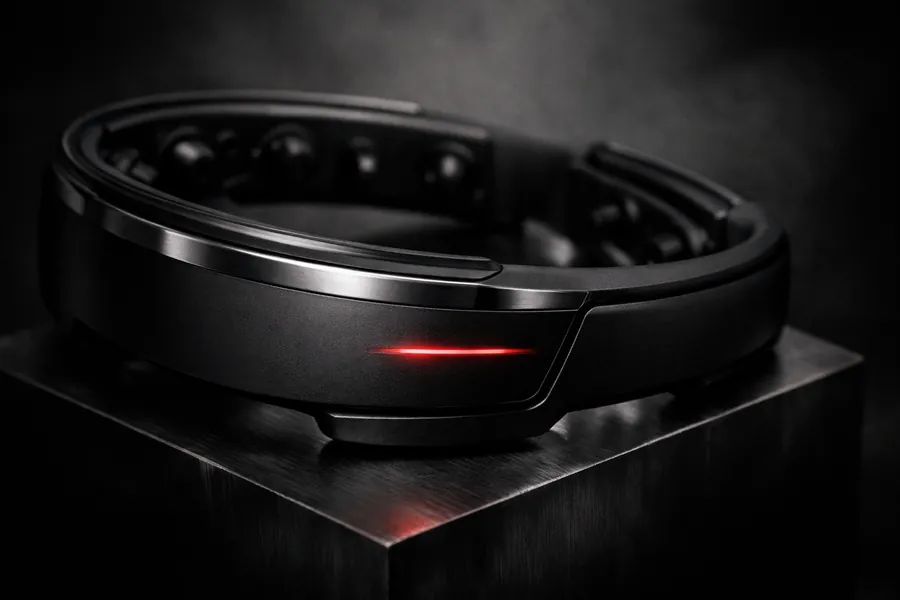
A consumer EEG headband is the most accessible edge of the brain-computer-interface frontier: a dry-electrode band that reads your brain's electrical rhythms and turns them into a calm-or-distracted score while you meditate. The sensor is real — it captures genuine EEG, especially the alpha rhythm of relaxed wakefulness (Lee et al., 2026). What it is sold as is a brain trainer, and that is where the honesty gap opens. Pooled across 16 randomized trials, consumer mindfulness-neurofeedback produced exactly one significant effect — a small reduction in psychological distress (g=−0.16) — with nothing on cognition, trait mindfulness, or physiological health, and no evidence that users actually modulated the brain targets the devices claim to train; the likely driver is 'neurosuggestion,' the placebo of neurotechnology (Treves et al., 2024). A real sensor, a small real benefit as a meditation onramp, and a brain-training promise the best-controlled trials do not support. This is the CGM story in a headband.
WAKEFULNESS IS NOT INTELLIGENCE // MODAFINIL
The executive drug of the last decade, and the meta-analytic answer is not the one the market believes. Across 14 randomized trials in healthy, non-sleep-deprived adults — 64 effect sizes — the pooled cognitive effect of modafinil is SMD 0.12. Conventionally, 0.2 is a small effect. Only one sub-domain reached significance: memory updating, at 0.28. The authors state it plainly: there is a user perception that these drugs are effective cognitive enhancers, and the evidence does not support it. What modafinil does do, and does well, is restore a deficit. Against 24 hours of sleep deprivation it returns working memory toward baseline. Against a rested brain it has almost nothing to add — because wakefulness was never the thing that was limiting you.
THE CELLULAR BATTERY // CREATINE MONOHYDRATE
About two-thirds of muscle creatine is stored as phosphocreatine, which the cell uses to regenerate ATP during short, hard effort (Kreider 2017). This dossier grades one claim: with resistance training, creatine adds strength and lean mass beyond training alone. In older adults, that holds for strength and lean mass (Devries 2014; Liu 2025); in adults under 50, for strength, significantly in men and not in women (Wang 2024). Cognition is a separate question: the EU food-safety authority concluded that an effect in healthy adults has not been established (EFSA 2024), and the largest creatine–cognition trial up to 2023 found at most a small, borderline effect (Sandkühler 2023). In the trials that measured kidney filtration directly with Cr-EDTA, there was no significant change; GFR estimated from creatinine read 10.75 mL/min lower (de Souza Almeida 2026).
SOMATIC REPAIR // BPC-157 & THE ANGIOGENESIS GAMBIT
BPC-157 is a synthetic pentadecapeptide derived from gastric juice, and the most seductive regeneration story in the peptide market. Its mechanism is genuinely elegant: it drives angiogenesis — new blood-vessel growth — into tendons and ligaments, the tissues that heal slowly because they are poorly vascularized, by up-regulating VEGFR2 and activating the VEGFR2-Akt-eNOS pathway. Across dozens of animal models it accelerates the healing of tendon, ligament, muscle, and bone. But the human file is nearly empty: the most rigorous systematic review found 36 studies — 35 preclinical and one uncontrolled clinical series (7 of 12 patients reporting knee-pain relief). Only three pilot human studies exist, and 'no clinical safety data were found.' It is not FDA-approved, it is banned in sport, and it is sold through unregulated channels where purity is unverifiable. A robust animal mechanism the market has sold as a human certainty.
NEURAL FUEL // METHYLENE BLUE & THE MITOCHONDRIAL BYPASS
Methylene blue is a century-old pharmaceutical dye with a rare trick: at low dose it acts as an accessory electron carrier, taking electrons from NADH and handing them to cytochrome c — a chemical bypass around a stalled mitochondrial chain that raises brain oxygen use, glucose uptake, and blood flow. One small randomized human fMRI trial found a ~7% gain in memory retrieval on a low oral dose. The mechanism is elegant and the signal is real — but everything here is gated by safety. Methylene blue is a potent MAO-A inhibitor that can trigger fatal serotonin toxicity with SSRIs; it follows a hormetic U-curve where high dose flips pro-oxidant; and it demands pharmaceutical (USP) grade, because industrial and aquarium versions carry contaminants. A brilliant bioenergetic lever with a knife-edge of dose, purity, and drug interactions.
MTOR ATTENUATION // THE RAPAMYCIN WILDCARD
Rapamycin is the single most reproducible pharmacological lifespan extender in mammals. In the NIA Interventions Testing Program — the gold standard, run in parallel at three independent sites — it extended lifespan even when started late in life (600 days), by ~14% in females and ~9% in males at the 90th-percentile mortality mark (Harrison, Nature 2009). It works by inhibiting mTOR, the nutrient-sensing pathway that trades growth for repair. The catch is the translation gap: no human has ever been shown to live longer on it. What humans HAVE shown is narrower and real — low-dose mTOR inhibition improved immune function and cut infections in the elderly (Mannick 2018), and weekly dosing looks safe over a year (PEARL, 2024–25). The animal case is the strongest on the board; the human longevity case does not yet exist.
METABOLIC SOVEREIGNTY // THE GLP-1 FRONTIER
GLP-1 receptor agonists (semaglutide) and the dual GIP/GLP-1 agonist tirzepatide are the most effective appetite and metabolic pharmacology of the decade — up to ~17.8% weight loss, a −20% cut in major cardiac events in high-risk obesity (SELECT), and a quieter, underrated dividend: the eradication of 'food noise', the constant rumination about food that GLP-1 measurably silences by damping mesolimbic reward circuitry. But every kilogram is billed to two ledgers. Roughly 25% of the weight lost is lean mass — and the potent agents are the worst at sparing muscle. Deployed on a Tier 0 resistance substrate, GLP-1 is a recomposition accelerant. Deployed naked, it is catabolism wearing a success story.
MITOCHONDRIAL RENEWAL // UROLITHIN A
Urolithin A (marketed as Mitopure) is a gut-derived metabolite of ellagitannins — compounds in pomegranate and walnuts — that most people cannot produce efficiently on their own. Its mechanism is genuinely novel: it triggers mitophagy, the cellular recycling of damaged mitochondria to make room for healthy ones. In a randomized, placebo-controlled trial of 88 middle-aged adults over 4 months (Cell Reports Medicine, 2022), Urolithin A produced roughly a 12% improvement in muscle strength plus clinically meaningful gains in aerobic endurance and the 6-minute walk test. It is one of the few 'longevity supplements' with a real human mechanism and a real human RCT behind it.
BIOMETRIC HEAD-TO-HEAD // THE RING VS THE STRAP
Oura (a finger ring) and WHOOP (a strap, worn on the wrist in both comparisons) have now been compared in two small studies. On one laboratory night against polysomnography, with both worn at once, they tied on sleep stages: 61% of epochs correct for Oura, 60% for WHOOP. On overnight heart rate and HRV the studies disagree, and they do not weigh the same. The 2022 test — older devices, one night, 53 adults, a laboratory WHOOP supports, heartbeat data supplied by WHOOP — put WHOOP ahead, by a wide margin on HRV (ICC 0.99 vs 0.63). The 2025 study — newer devices, 13 adults at home, no declared conflict, several devices worn each night but each reported over its own nights — put Oura ahead by a small margin. Every device in both studies has since been superseded. Neither device is medical.
NEURO-INFRASTRUCTURE // COGNITIVE ROI RADIUS
Invasive brain-computer interface has crossed from theory into surgical reality — but strictly as medical restoration, not enhancement. Neuralink's most recent public announcement, dated 28 January 2026, puts the programme at 21 participants, spanning the PRIME (motor) and VOICE (speech) studies with expansion into the UK, UAE and Canada. The company reports no serious device-related adverse events; that record is self-reported and has not been independently replicated. The accessible layer for a non-pathological operator remains non-invasive EEG: focus and attention telemetry, not cortical control.
RADICAL LONGEVITY // SENOLYTIC & NAD⁺ FRONTIER
Two molecular vectors dominate the longevity radar. Senolytics (Dasatinib + Quercetin; Fisetin) aim to clear senescent 'zombie' cells. The first human senolytic trial (2019, diabetic kidney disease, N=9) measurably reduced adipose senescent-cell burden within 11 days; 2025 brought new pilot protocols (cognitive decline, osteoarthritic cartilage) — but no proven lifespan or healthspan endpoint in healthy humans. NAD⁺ precursors (NMN, NR) are further along on mechanism: 2025 head-to-head data show both roughly double circulating NAD⁺ after 14 days. Downstream clinical benefit, however, is inconsistent.
COLD WATER IMMERSION // THE HORMETIC EDGE
Cold plunges are the most-hyped ritual in performance culture — sold as a cure for inflammation, mood, metabolism and testosterone. The honest science is narrower and more interesting. A 2025 systematic review (11 studies, 3,177 participants) found cold-water immersion improves sleep quality and quality of life, and a single 14°C immersion drives a large acute catecholamine surge (noradrenaline ~+530%, dopamine ~+250% in early work) that powers the 'alive,' stress-resilient feeling. But it did NOT improve mood, and it TEMPORARILY RAISES inflammation rather than lowering it. The single most important operator fact: cold immersion right after resistance training blunts muscle growth. A real tool with a real edge — and a specific window where it works against you.
PASSIVE BIOMETRIC INTELLIGENCE // THE RING STANDARD
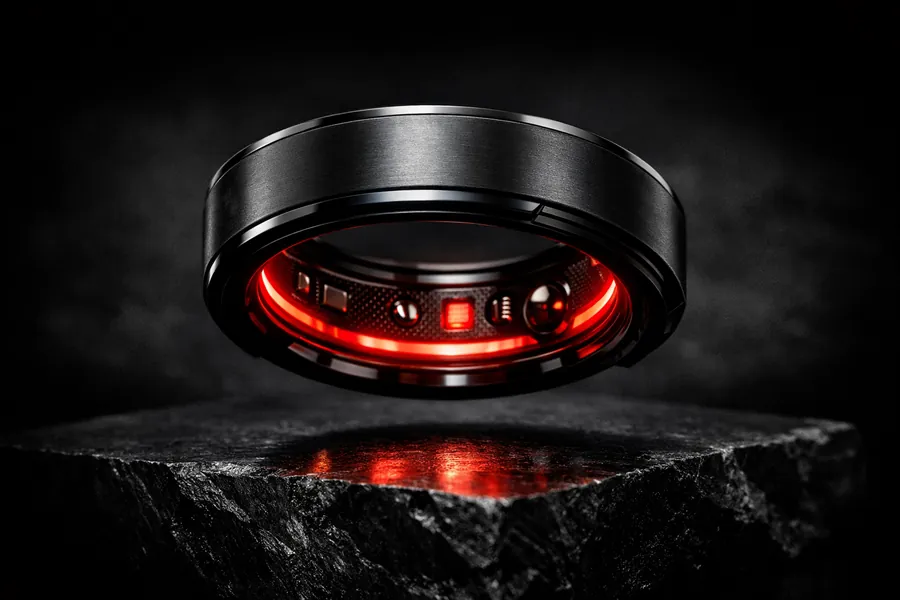
The most defensible wearable vector is the finger, not the wrist. Oura Ring 4 runs an 18-path multi-wavelength PPG array with 'Smart Sensing' that dynamically reconfigures optical paths — yielding a reported 120% improvement in SpO₂ signal quality, 31% in nighttime heart rate, and 7% in daytime heart rate versus the prior generation. Its sleep-staging algorithm is validated against polysomnography, the clinical gold standard. This is passive intelligence: zero executive friction, continuous readiness/HRV/temperature telemetry.
SMART HABITAT // EXECUTIVE BIO-ARCHITECTURE
Executive Friction begins at the environmental layer — the gains that accrue while you do nothing. Three sub-systems carry the strongest evidence: circadian lighting (bright, cool morning light and dim, warm evening light entrains the sleep-wake clock); thermal sleep regulation (active cooling shortens sleep onset and supports deep sleep for many); and air quality (elevated indoor CO₂ measurably degrades cognitive-function scores — ventilation and HEPA filtration protect focus).
THE TELEMETRY LOOP // CONTINUOUS GLUCOSE MONITORING
A continuous glucose monitor is the first consumer device that makes an invisible process — your body's minute-to-minute response to food, stress, and sleep — visible in real time, and it is now sold over the counter to people with no diabetes at all. On a healthy operator its proven value is narrow and real: it is a behavioral instrument. It shows which of your specific meals and habits move your glucose, and lets you rewrite the ones that sabotage the next two hours. The science underneath is genuinely strong — the same meal provably spikes different people differently, so population diet advice is a blunt tool for any single body (Zeevi et al., Cell 2015). What the device lacks is the thing the wellness market implies it has: any trial showing that flattening an already-normal curve extends healthspan in someone who isn't diabetic. A 2024 review in Diabetic Medicine judged that evidence thin enough to call the commercial claims 'misleading.' The sensor is validated. The longevity promise stapled to it is not.
THE UNSTUDIED MAJORITY // INCRETINS IN THE MENOPAUSAL TRANSITION
This dossier grades an absence. Women in the menopausal transition are among the heaviest users of incretin therapy, and the pivotal trials were not designed to answer anything about them. We ran the search: a PubMed query combining GLP-1 agonists, postmenopausal women, body composition, bone and lean mass returned ZERO indexed results — not few, none. A semantic search across the peer-reviewed corpus surfaced three papers, of which one is a narrative review of women over 65, one is a case report of a single patient, and one is a general lean-mass paper that is not menopause-specific at all. Broadening the query returns breast-cancer literature and a study in ovariectomised mice. What that thin base does support is that the drug still works here — 10–20% sustained loss in women 65+, with cardiometabolic improvement. What it does not support is any statement about the skeletal and muscular cost in a body already losing bone. The market has filled that vacuum with confident instruction. We are publishing the shape of the hole instead.
THE EXIT // WHAT HAPPENS WHEN THE DRUG STOPS
Every dossier in this field answers whether to start. Almost none answer what happens when you stop — which is the question with the consequences, because the average operator does stop. SURMOUNT-4 is the trial built to ask it: 36 weeks of tirzepatide produced a 20.9% reduction, then half the participants were switched to placebo. Over the next 52 weeks they regained 14.0% of body weight, while those who continued lost a further 5.5%. Only 16.6% of the withdrawal group held even 80% of what they had lost — against 89.5% of those who stayed on. A meta-analysis of 8 RCTs found the regain arrives 'regardless of lifestyle interventions', a phrase we will not soften. But the post-hoc analysis carries the finding that matters: the metabolic damage is not all-or-nothing. It scales with how much comes back — and operators who held regain under 25% finished the year with waist circumference, non-HDL cholesterol and fasting insulin statistically indistinguishable from their treated best.
THE PARTICLE COUNT // ApoB & LIPOPROTEIN(a)
For decades the world measured the wrong thing. A standard cholesterol panel reports LDL-C — the cholesterol carried inside your LDL particles — but the artery wall does not count cholesterol, it counts particles. Every atherogenic particle carries exactly one apolipoprotein B, so apoB is a direct headcount of the particles that invade the wall. When apoB and LDL-C disagree — which happens in a large minority of people, especially the metabolically stressed and the statin-treated — apoB wins every time: it predicts events when LDL-C says you are fine (Richardson et al., 2020; Johannesen et al., 2021). Multivariable Mendelian randomization is blunt about it: adjust for apoB and LDL-C's causal signal collapses to nothing — apoB is the trait that actually causes coronary disease (Richardson 2020; Zuber 2020). Sitting on top of this is lipoprotein(a) — a mostly-genetic, largely-fixed apoB particle that about one in five people carry at high levels, is roughly six-fold more atherogenic per particle than ordinary LDL, and is invisible on a standard panel (Björnson et al., 2024; Reyes-Soffer et al., 2021). The catch that keeps the frontier honest: apoB is proven and cheap to lower today, but no drug has yet been shown to cut events by lowering Lp(a) specifically — those outcome trials are running now (Malick et al., 2023). Measure the particle count. It is the most important number your annual physical probably never showed you.
THE ATTENTION MIRROR // CONSUMER EEG NEUROFEEDBACK
A consumer EEG headband is the most accessible edge of the brain-computer-interface frontier: a dry-electrode band that reads your brain's electrical rhythms and turns them into a calm-or-distracted score while you meditate. The sensor is real — it captures genuine EEG, especially the alpha rhythm of relaxed wakefulness (Lee et al., 2026). What it is sold as is a brain trainer, and that is where the honesty gap opens. Pooled across 16 randomized trials, consumer mindfulness-neurofeedback produced exactly one significant effect — a small reduction in psychological distress (g=−0.16) — with nothing on cognition, trait mindfulness, or physiological health, and no evidence that users actually modulated the brain targets the devices claim to train; the likely driver is 'neurosuggestion,' the placebo of neurotechnology (Treves et al., 2024). A real sensor, a small real benefit as a meditation onramp, and a brain-training promise the best-controlled trials do not support. This is the CGM story in a headband.
WAKEFULNESS IS NOT INTELLIGENCE // MODAFINIL
The executive drug of the last decade, and the meta-analytic answer is not the one the market believes. Across 14 randomized trials in healthy, non-sleep-deprived adults — 64 effect sizes — the pooled cognitive effect of modafinil is SMD 0.12. Conventionally, 0.2 is a small effect. Only one sub-domain reached significance: memory updating, at 0.28. The authors state it plainly: there is a user perception that these drugs are effective cognitive enhancers, and the evidence does not support it. What modafinil does do, and does well, is restore a deficit. Against 24 hours of sleep deprivation it returns working memory toward baseline. Against a rested brain it has almost nothing to add — because wakefulness was never the thing that was limiting you.
THE CELLULAR BATTERY // CREATINE MONOHYDRATE
About two-thirds of muscle creatine is stored as phosphocreatine, which the cell uses to regenerate ATP during short, hard effort (Kreider 2017). This dossier grades one claim: with resistance training, creatine adds strength and lean mass beyond training alone. In older adults, that holds for strength and lean mass (Devries 2014; Liu 2025); in adults under 50, for strength, significantly in men and not in women (Wang 2024). Cognition is a separate question: the EU food-safety authority concluded that an effect in healthy adults has not been established (EFSA 2024), and the largest creatine–cognition trial up to 2023 found at most a small, borderline effect (Sandkühler 2023). In the trials that measured kidney filtration directly with Cr-EDTA, there was no significant change; GFR estimated from creatinine read 10.75 mL/min lower (de Souza Almeida 2026).
SOMATIC REPAIR // BPC-157 & THE ANGIOGENESIS GAMBIT
BPC-157 is a synthetic pentadecapeptide derived from gastric juice, and the most seductive regeneration story in the peptide market. Its mechanism is genuinely elegant: it drives angiogenesis — new blood-vessel growth — into tendons and ligaments, the tissues that heal slowly because they are poorly vascularized, by up-regulating VEGFR2 and activating the VEGFR2-Akt-eNOS pathway. Across dozens of animal models it accelerates the healing of tendon, ligament, muscle, and bone. But the human file is nearly empty: the most rigorous systematic review found 36 studies — 35 preclinical and one uncontrolled clinical series (7 of 12 patients reporting knee-pain relief). Only three pilot human studies exist, and 'no clinical safety data were found.' It is not FDA-approved, it is banned in sport, and it is sold through unregulated channels where purity is unverifiable. A robust animal mechanism the market has sold as a human certainty.
NEURAL FUEL // METHYLENE BLUE & THE MITOCHONDRIAL BYPASS
Methylene blue is a century-old pharmaceutical dye with a rare trick: at low dose it acts as an accessory electron carrier, taking electrons from NADH and handing them to cytochrome c — a chemical bypass around a stalled mitochondrial chain that raises brain oxygen use, glucose uptake, and blood flow. One small randomized human fMRI trial found a ~7% gain in memory retrieval on a low oral dose. The mechanism is elegant and the signal is real — but everything here is gated by safety. Methylene blue is a potent MAO-A inhibitor that can trigger fatal serotonin toxicity with SSRIs; it follows a hormetic U-curve where high dose flips pro-oxidant; and it demands pharmaceutical (USP) grade, because industrial and aquarium versions carry contaminants. A brilliant bioenergetic lever with a knife-edge of dose, purity, and drug interactions.
MTOR ATTENUATION // THE RAPAMYCIN WILDCARD
Rapamycin is the single most reproducible pharmacological lifespan extender in mammals. In the NIA Interventions Testing Program — the gold standard, run in parallel at three independent sites — it extended lifespan even when started late in life (600 days), by ~14% in females and ~9% in males at the 90th-percentile mortality mark (Harrison, Nature 2009). It works by inhibiting mTOR, the nutrient-sensing pathway that trades growth for repair. The catch is the translation gap: no human has ever been shown to live longer on it. What humans HAVE shown is narrower and real — low-dose mTOR inhibition improved immune function and cut infections in the elderly (Mannick 2018), and weekly dosing looks safe over a year (PEARL, 2024–25). The animal case is the strongest on the board; the human longevity case does not yet exist.
METABOLIC SOVEREIGNTY // THE GLP-1 FRONTIER
GLP-1 receptor agonists (semaglutide) and the dual GIP/GLP-1 agonist tirzepatide are the most effective appetite and metabolic pharmacology of the decade — up to ~17.8% weight loss, a −20% cut in major cardiac events in high-risk obesity (SELECT), and a quieter, underrated dividend: the eradication of 'food noise', the constant rumination about food that GLP-1 measurably silences by damping mesolimbic reward circuitry. But every kilogram is billed to two ledgers. Roughly 25% of the weight lost is lean mass — and the potent agents are the worst at sparing muscle. Deployed on a Tier 0 resistance substrate, GLP-1 is a recomposition accelerant. Deployed naked, it is catabolism wearing a success story.
MITOCHONDRIAL RENEWAL // UROLITHIN A
Urolithin A (marketed as Mitopure) is a gut-derived metabolite of ellagitannins — compounds in pomegranate and walnuts — that most people cannot produce efficiently on their own. Its mechanism is genuinely novel: it triggers mitophagy, the cellular recycling of damaged mitochondria to make room for healthy ones. In a randomized, placebo-controlled trial of 88 middle-aged adults over 4 months (Cell Reports Medicine, 2022), Urolithin A produced roughly a 12% improvement in muscle strength plus clinically meaningful gains in aerobic endurance and the 6-minute walk test. It is one of the few 'longevity supplements' with a real human mechanism and a real human RCT behind it.
BIOMETRIC HEAD-TO-HEAD // THE RING VS THE STRAP
Oura (a finger ring) and WHOOP (a strap, worn on the wrist in both comparisons) have now been compared in two small studies. On one laboratory night against polysomnography, with both worn at once, they tied on sleep stages: 61% of epochs correct for Oura, 60% for WHOOP. On overnight heart rate and HRV the studies disagree, and they do not weigh the same. The 2022 test — older devices, one night, 53 adults, a laboratory WHOOP supports, heartbeat data supplied by WHOOP — put WHOOP ahead, by a wide margin on HRV (ICC 0.99 vs 0.63). The 2025 study — newer devices, 13 adults at home, no declared conflict, several devices worn each night but each reported over its own nights — put Oura ahead by a small margin. Every device in both studies has since been superseded. Neither device is medical.
NEURO-INFRASTRUCTURE // COGNITIVE ROI RADIUS
Invasive brain-computer interface has crossed from theory into surgical reality — but strictly as medical restoration, not enhancement. Neuralink's most recent public announcement, dated 28 January 2026, puts the programme at 21 participants, spanning the PRIME (motor) and VOICE (speech) studies with expansion into the UK, UAE and Canada. The company reports no serious device-related adverse events; that record is self-reported and has not been independently replicated. The accessible layer for a non-pathological operator remains non-invasive EEG: focus and attention telemetry, not cortical control.
RADICAL LONGEVITY // SENOLYTIC & NAD⁺ FRONTIER
Two molecular vectors dominate the longevity radar. Senolytics (Dasatinib + Quercetin; Fisetin) aim to clear senescent 'zombie' cells. The first human senolytic trial (2019, diabetic kidney disease, N=9) measurably reduced adipose senescent-cell burden within 11 days; 2025 brought new pilot protocols (cognitive decline, osteoarthritic cartilage) — but no proven lifespan or healthspan endpoint in healthy humans. NAD⁺ precursors (NMN, NR) are further along on mechanism: 2025 head-to-head data show both roughly double circulating NAD⁺ after 14 days. Downstream clinical benefit, however, is inconsistent.
COLD WATER IMMERSION // THE HORMETIC EDGE
Cold plunges are the most-hyped ritual in performance culture — sold as a cure for inflammation, mood, metabolism and testosterone. The honest science is narrower and more interesting. A 2025 systematic review (11 studies, 3,177 participants) found cold-water immersion improves sleep quality and quality of life, and a single 14°C immersion drives a large acute catecholamine surge (noradrenaline ~+530%, dopamine ~+250% in early work) that powers the 'alive,' stress-resilient feeling. But it did NOT improve mood, and it TEMPORARILY RAISES inflammation rather than lowering it. The single most important operator fact: cold immersion right after resistance training blunts muscle growth. A real tool with a real edge — and a specific window where it works against you.
PASSIVE BIOMETRIC INTELLIGENCE // THE RING STANDARD
The most defensible wearable vector is the finger, not the wrist. Oura Ring 4 runs an 18-path multi-wavelength PPG array with 'Smart Sensing' that dynamically reconfigures optical paths — yielding a reported 120% improvement in SpO₂ signal quality, 31% in nighttime heart rate, and 7% in daytime heart rate versus the prior generation. Its sleep-staging algorithm is validated against polysomnography, the clinical gold standard. This is passive intelligence: zero executive friction, continuous readiness/HRV/temperature telemetry.
SMART HABITAT // EXECUTIVE BIO-ARCHITECTURE
Executive Friction begins at the environmental layer — the gains that accrue while you do nothing. Three sub-systems carry the strongest evidence: circadian lighting (bright, cool morning light and dim, warm evening light entrains the sleep-wake clock); thermal sleep regulation (active cooling shortens sleep onset and supports deep sleep for many); and air quality (elevated indoor CO₂ measurably degrades cognitive-function scores — ventilation and HEPA filtration protect focus).
THE TELEMETRY LOOP // CONTINUOUS GLUCOSE MONITORING
A continuous glucose monitor is the first consumer device that makes an invisible process — your body's minute-to-minute response to food, stress, and sleep — visible in real time, and it is now sold over the counter to people with no diabetes at all. On a healthy operator its proven value is narrow and real: it is a behavioral instrument. It shows which of your specific meals and habits move your glucose, and lets you rewrite the ones that sabotage the next two hours. The science underneath is genuinely strong — the same meal provably spikes different people differently, so population diet advice is a blunt tool for any single body (Zeevi et al., Cell 2015). What the device lacks is the thing the wellness market implies it has: any trial showing that flattening an already-normal curve extends healthspan in someone who isn't diabetic. A 2024 review in Diabetic Medicine judged that evidence thin enough to call the commercial claims 'misleading.' The sensor is validated. The longevity promise stapled to it is not.
THE UNSTUDIED MAJORITY // INCRETINS IN THE MENOPAUSAL TRANSITION
This dossier grades an absence. Women in the menopausal transition are among the heaviest users of incretin therapy, and the pivotal trials were not designed to answer anything about them. We ran the search: a PubMed query combining GLP-1 agonists, postmenopausal women, body composition, bone and lean mass returned ZERO indexed results — not few, none. A semantic search across the peer-reviewed corpus surfaced three papers, of which one is a narrative review of women over 65, one is a case report of a single patient, and one is a general lean-mass paper that is not menopause-specific at all. Broadening the query returns breast-cancer literature and a study in ovariectomised mice. What that thin base does support is that the drug still works here — 10–20% sustained loss in women 65+, with cardiometabolic improvement. What it does not support is any statement about the skeletal and muscular cost in a body already losing bone. The market has filled that vacuum with confident instruction. We are publishing the shape of the hole instead.
THE EXIT // WHAT HAPPENS WHEN THE DRUG STOPS
Every dossier in this field answers whether to start. Almost none answer what happens when you stop — which is the question with the consequences, because the average operator does stop. SURMOUNT-4 is the trial built to ask it: 36 weeks of tirzepatide produced a 20.9% reduction, then half the participants were switched to placebo. Over the next 52 weeks they regained 14.0% of body weight, while those who continued lost a further 5.5%. Only 16.6% of the withdrawal group held even 80% of what they had lost — against 89.5% of those who stayed on. A meta-analysis of 8 RCTs found the regain arrives 'regardless of lifestyle interventions', a phrase we will not soften. But the post-hoc analysis carries the finding that matters: the metabolic damage is not all-or-nothing. It scales with how much comes back — and operators who held regain under 25% finished the year with waist circumference, non-HDL cholesterol and fasting insulin statistically indistinguishable from their treated best.
THE PARTICLE COUNT // ApoB & LIPOPROTEIN(a)
For decades the world measured the wrong thing. A standard cholesterol panel reports LDL-C — the cholesterol carried inside your LDL particles — but the artery wall does not count cholesterol, it counts particles. Every atherogenic particle carries exactly one apolipoprotein B, so apoB is a direct headcount of the particles that invade the wall. When apoB and LDL-C disagree — which happens in a large minority of people, especially the metabolically stressed and the statin-treated — apoB wins every time: it predicts events when LDL-C says you are fine (Richardson et al., 2020; Johannesen et al., 2021). Multivariable Mendelian randomization is blunt about it: adjust for apoB and LDL-C's causal signal collapses to nothing — apoB is the trait that actually causes coronary disease (Richardson 2020; Zuber 2020). Sitting on top of this is lipoprotein(a) — a mostly-genetic, largely-fixed apoB particle that about one in five people carry at high levels, is roughly six-fold more atherogenic per particle than ordinary LDL, and is invisible on a standard panel (Björnson et al., 2024; Reyes-Soffer et al., 2021). The catch that keeps the frontier honest: apoB is proven and cheap to lower today, but no drug has yet been shown to cut events by lowering Lp(a) specifically — those outcome trials are running now (Malick et al., 2023). Measure the particle count. It is the most important number your annual physical probably never showed you.
THE ATTENTION MIRROR // CONSUMER EEG NEUROFEEDBACK
A consumer EEG headband is the most accessible edge of the brain-computer-interface frontier: a dry-electrode band that reads your brain's electrical rhythms and turns them into a calm-or-distracted score while you meditate. The sensor is real — it captures genuine EEG, especially the alpha rhythm of relaxed wakefulness (Lee et al., 2026). What it is sold as is a brain trainer, and that is where the honesty gap opens. Pooled across 16 randomized trials, consumer mindfulness-neurofeedback produced exactly one significant effect — a small reduction in psychological distress (g=−0.16) — with nothing on cognition, trait mindfulness, or physiological health, and no evidence that users actually modulated the brain targets the devices claim to train; the likely driver is 'neurosuggestion,' the placebo of neurotechnology (Treves et al., 2024). A real sensor, a small real benefit as a meditation onramp, and a brain-training promise the best-controlled trials do not support. This is the CGM story in a headband.
WAKEFULNESS IS NOT INTELLIGENCE // MODAFINIL
The executive drug of the last decade, and the meta-analytic answer is not the one the market believes. Across 14 randomized trials in healthy, non-sleep-deprived adults — 64 effect sizes — the pooled cognitive effect of modafinil is SMD 0.12. Conventionally, 0.2 is a small effect. Only one sub-domain reached significance: memory updating, at 0.28. The authors state it plainly: there is a user perception that these drugs are effective cognitive enhancers, and the evidence does not support it. What modafinil does do, and does well, is restore a deficit. Against 24 hours of sleep deprivation it returns working memory toward baseline. Against a rested brain it has almost nothing to add — because wakefulness was never the thing that was limiting you.
THE CELLULAR BATTERY // CREATINE MONOHYDRATE
About two-thirds of muscle creatine is stored as phosphocreatine, which the cell uses to regenerate ATP during short, hard effort (Kreider 2017). This dossier grades one claim: with resistance training, creatine adds strength and lean mass beyond training alone. In older adults, that holds for strength and lean mass (Devries 2014; Liu 2025); in adults under 50, for strength, significantly in men and not in women (Wang 2024). Cognition is a separate question: the EU food-safety authority concluded that an effect in healthy adults has not been established (EFSA 2024), and the largest creatine–cognition trial up to 2023 found at most a small, borderline effect (Sandkühler 2023). In the trials that measured kidney filtration directly with Cr-EDTA, there was no significant change; GFR estimated from creatinine read 10.75 mL/min lower (de Souza Almeida 2026).
SOMATIC REPAIR // BPC-157 & THE ANGIOGENESIS GAMBIT
BPC-157 is a synthetic pentadecapeptide derived from gastric juice, and the most seductive regeneration story in the peptide market. Its mechanism is genuinely elegant: it drives angiogenesis — new blood-vessel growth — into tendons and ligaments, the tissues that heal slowly because they are poorly vascularized, by up-regulating VEGFR2 and activating the VEGFR2-Akt-eNOS pathway. Across dozens of animal models it accelerates the healing of tendon, ligament, muscle, and bone. But the human file is nearly empty: the most rigorous systematic review found 36 studies — 35 preclinical and one uncontrolled clinical series (7 of 12 patients reporting knee-pain relief). Only three pilot human studies exist, and 'no clinical safety data were found.' It is not FDA-approved, it is banned in sport, and it is sold through unregulated channels where purity is unverifiable. A robust animal mechanism the market has sold as a human certainty.
NEURAL FUEL // METHYLENE BLUE & THE MITOCHONDRIAL BYPASS
Methylene blue is a century-old pharmaceutical dye with a rare trick: at low dose it acts as an accessory electron carrier, taking electrons from NADH and handing them to cytochrome c — a chemical bypass around a stalled mitochondrial chain that raises brain oxygen use, glucose uptake, and blood flow. One small randomized human fMRI trial found a ~7% gain in memory retrieval on a low oral dose. The mechanism is elegant and the signal is real — but everything here is gated by safety. Methylene blue is a potent MAO-A inhibitor that can trigger fatal serotonin toxicity with SSRIs; it follows a hormetic U-curve where high dose flips pro-oxidant; and it demands pharmaceutical (USP) grade, because industrial and aquarium versions carry contaminants. A brilliant bioenergetic lever with a knife-edge of dose, purity, and drug interactions.
MTOR ATTENUATION // THE RAPAMYCIN WILDCARD
Rapamycin is the single most reproducible pharmacological lifespan extender in mammals. In the NIA Interventions Testing Program — the gold standard, run in parallel at three independent sites — it extended lifespan even when started late in life (600 days), by ~14% in females and ~9% in males at the 90th-percentile mortality mark (Harrison, Nature 2009). It works by inhibiting mTOR, the nutrient-sensing pathway that trades growth for repair. The catch is the translation gap: no human has ever been shown to live longer on it. What humans HAVE shown is narrower and real — low-dose mTOR inhibition improved immune function and cut infections in the elderly (Mannick 2018), and weekly dosing looks safe over a year (PEARL, 2024–25). The animal case is the strongest on the board; the human longevity case does not yet exist.
METABOLIC SOVEREIGNTY // THE GLP-1 FRONTIER
GLP-1 receptor agonists (semaglutide) and the dual GIP/GLP-1 agonist tirzepatide are the most effective appetite and metabolic pharmacology of the decade — up to ~17.8% weight loss, a −20% cut in major cardiac events in high-risk obesity (SELECT), and a quieter, underrated dividend: the eradication of 'food noise', the constant rumination about food that GLP-1 measurably silences by damping mesolimbic reward circuitry. But every kilogram is billed to two ledgers. Roughly 25% of the weight lost is lean mass — and the potent agents are the worst at sparing muscle. Deployed on a Tier 0 resistance substrate, GLP-1 is a recomposition accelerant. Deployed naked, it is catabolism wearing a success story.
MITOCHONDRIAL RENEWAL // UROLITHIN A
Urolithin A (marketed as Mitopure) is a gut-derived metabolite of ellagitannins — compounds in pomegranate and walnuts — that most people cannot produce efficiently on their own. Its mechanism is genuinely novel: it triggers mitophagy, the cellular recycling of damaged mitochondria to make room for healthy ones. In a randomized, placebo-controlled trial of 88 middle-aged adults over 4 months (Cell Reports Medicine, 2022), Urolithin A produced roughly a 12% improvement in muscle strength plus clinically meaningful gains in aerobic endurance and the 6-minute walk test. It is one of the few 'longevity supplements' with a real human mechanism and a real human RCT behind it.
BIOMETRIC HEAD-TO-HEAD // THE RING VS THE STRAP
Oura (a finger ring) and WHOOP (a strap, worn on the wrist in both comparisons) have now been compared in two small studies. On one laboratory night against polysomnography, with both worn at once, they tied on sleep stages: 61% of epochs correct for Oura, 60% for WHOOP. On overnight heart rate and HRV the studies disagree, and they do not weigh the same. The 2022 test — older devices, one night, 53 adults, a laboratory WHOOP supports, heartbeat data supplied by WHOOP — put WHOOP ahead, by a wide margin on HRV (ICC 0.99 vs 0.63). The 2025 study — newer devices, 13 adults at home, no declared conflict, several devices worn each night but each reported over its own nights — put Oura ahead by a small margin. Every device in both studies has since been superseded. Neither device is medical.
NEURO-INFRASTRUCTURE // COGNITIVE ROI RADIUS
Invasive brain-computer interface has crossed from theory into surgical reality — but strictly as medical restoration, not enhancement. Neuralink's most recent public announcement, dated 28 January 2026, puts the programme at 21 participants, spanning the PRIME (motor) and VOICE (speech) studies with expansion into the UK, UAE and Canada. The company reports no serious device-related adverse events; that record is self-reported and has not been independently replicated. The accessible layer for a non-pathological operator remains non-invasive EEG: focus and attention telemetry, not cortical control.
RADICAL LONGEVITY // SENOLYTIC & NAD⁺ FRONTIER
Two molecular vectors dominate the longevity radar. Senolytics (Dasatinib + Quercetin; Fisetin) aim to clear senescent 'zombie' cells. The first human senolytic trial (2019, diabetic kidney disease, N=9) measurably reduced adipose senescent-cell burden within 11 days; 2025 brought new pilot protocols (cognitive decline, osteoarthritic cartilage) — but no proven lifespan or healthspan endpoint in healthy humans. NAD⁺ precursors (NMN, NR) are further along on mechanism: 2025 head-to-head data show both roughly double circulating NAD⁺ after 14 days. Downstream clinical benefit, however, is inconsistent.
COLD WATER IMMERSION // THE HORMETIC EDGE
Cold plunges are the most-hyped ritual in performance culture — sold as a cure for inflammation, mood, metabolism and testosterone. The honest science is narrower and more interesting. A 2025 systematic review (11 studies, 3,177 participants) found cold-water immersion improves sleep quality and quality of life, and a single 14°C immersion drives a large acute catecholamine surge (noradrenaline ~+530%, dopamine ~+250% in early work) that powers the 'alive,' stress-resilient feeling. But it did NOT improve mood, and it TEMPORARILY RAISES inflammation rather than lowering it. The single most important operator fact: cold immersion right after resistance training blunts muscle growth. A real tool with a real edge — and a specific window where it works against you.
PASSIVE BIOMETRIC INTELLIGENCE // THE RING STANDARD
The most defensible wearable vector is the finger, not the wrist. Oura Ring 4 runs an 18-path multi-wavelength PPG array with 'Smart Sensing' that dynamically reconfigures optical paths — yielding a reported 120% improvement in SpO₂ signal quality, 31% in nighttime heart rate, and 7% in daytime heart rate versus the prior generation. Its sleep-staging algorithm is validated against polysomnography, the clinical gold standard. This is passive intelligence: zero executive friction, continuous readiness/HRV/temperature telemetry.
SMART HABITAT // EXECUTIVE BIO-ARCHITECTURE
Executive Friction begins at the environmental layer — the gains that accrue while you do nothing. Three sub-systems carry the strongest evidence: circadian lighting (bright, cool morning light and dim, warm evening light entrains the sleep-wake clock); thermal sleep regulation (active cooling shortens sleep onset and supports deep sleep for many); and air quality (elevated indoor CO₂ measurably degrades cognitive-function scores — ventilation and HEPA filtration protect focus).
THE TELEMETRY LOOP // CONTINUOUS GLUCOSE MONITORING
A continuous glucose monitor is the first consumer device that makes an invisible process — your body's minute-to-minute response to food, stress, and sleep — visible in real time, and it is now sold over the counter to people with no diabetes at all. On a healthy operator its proven value is narrow and real: it is a behavioral instrument. It shows which of your specific meals and habits move your glucose, and lets you rewrite the ones that sabotage the next two hours. The science underneath is genuinely strong — the same meal provably spikes different people differently, so population diet advice is a blunt tool for any single body (Zeevi et al., Cell 2015). What the device lacks is the thing the wellness market implies it has: any trial showing that flattening an already-normal curve extends healthspan in someone who isn't diabetic. A 2024 review in Diabetic Medicine judged that evidence thin enough to call the commercial claims 'misleading.' The sensor is validated. The longevity promise stapled to it is not.